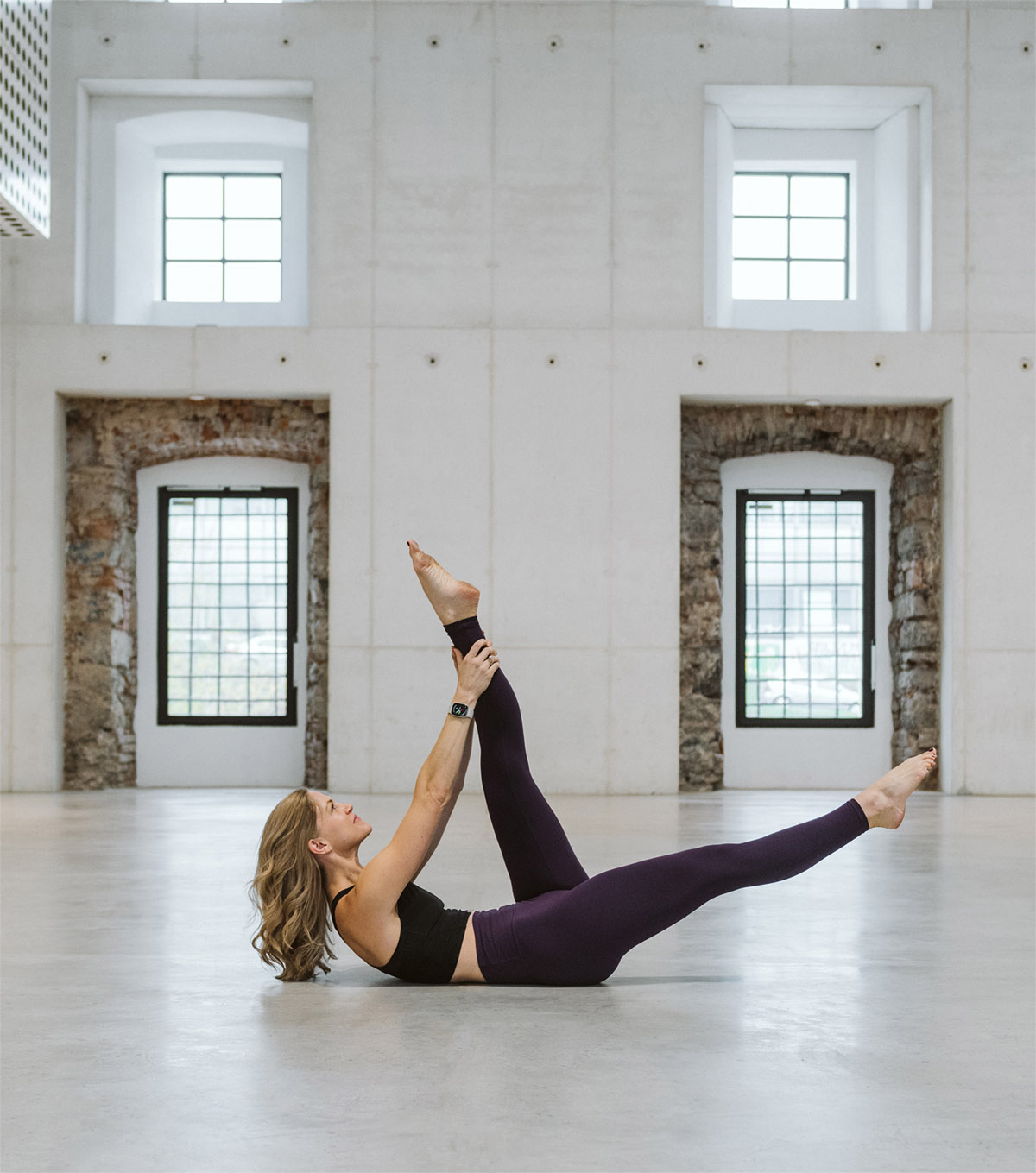

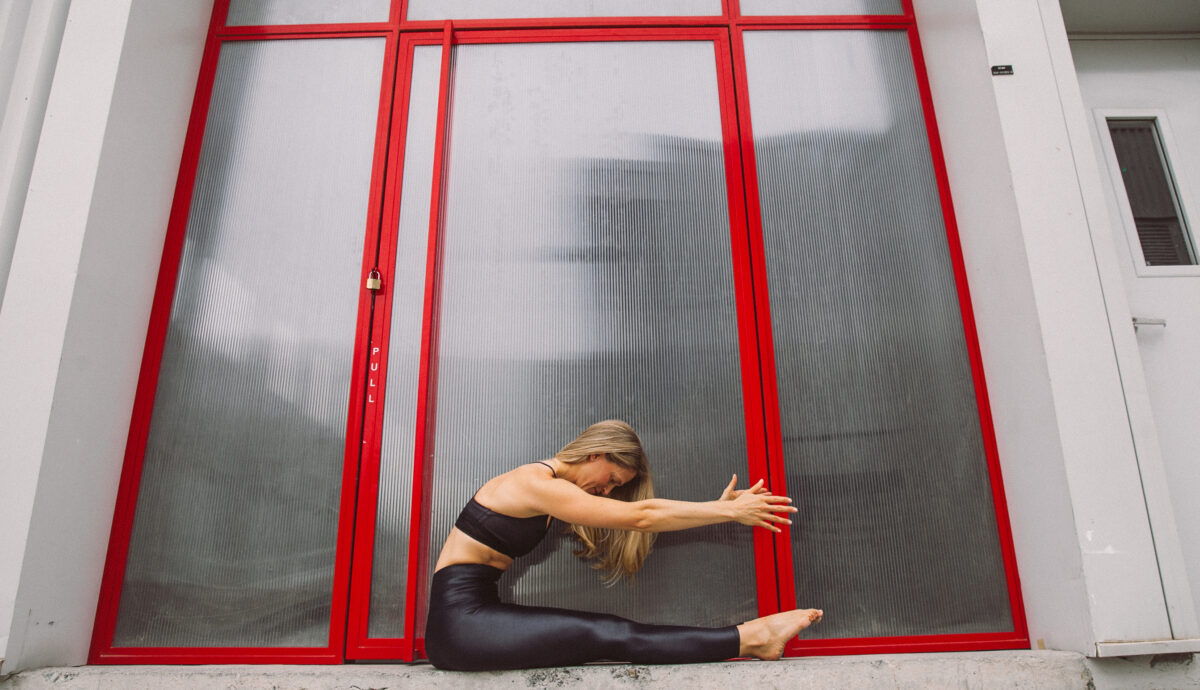
There comes a point in almost every fitness journey when your body asks you to make a change. Maybe you’re dealing with an injury, persistent pain, illness, stress, or simply the reality that your body doesn’t respond the same way it used to.
As someone who has always prioritized movement, I’ve recently found myself facing this challenge. A nagging hip injury has forced me to scale back activities I enjoy and rethink how I approach my workouts. While the physical limitations have been frustrating, the mental challenge has been even harder. I have been so blessed to spend the majority of my life without chronic pain, and this recent development has been humbling to say the least.
Many of us view modifying exercise as a step backward. We think that if we’re not working out the way we want to, we’re somehow failing. But modification isn’t giving up. It’s adapting. In fact, the ability to adjust may be one of the most important skills you can develop if you want to stay active for life.
Focus on What You Can Do
When our bodies aren’t cooperating, it’s easy to fixate on what we can’t do.
Instead, ask yourself: What can I do today that supports my body?
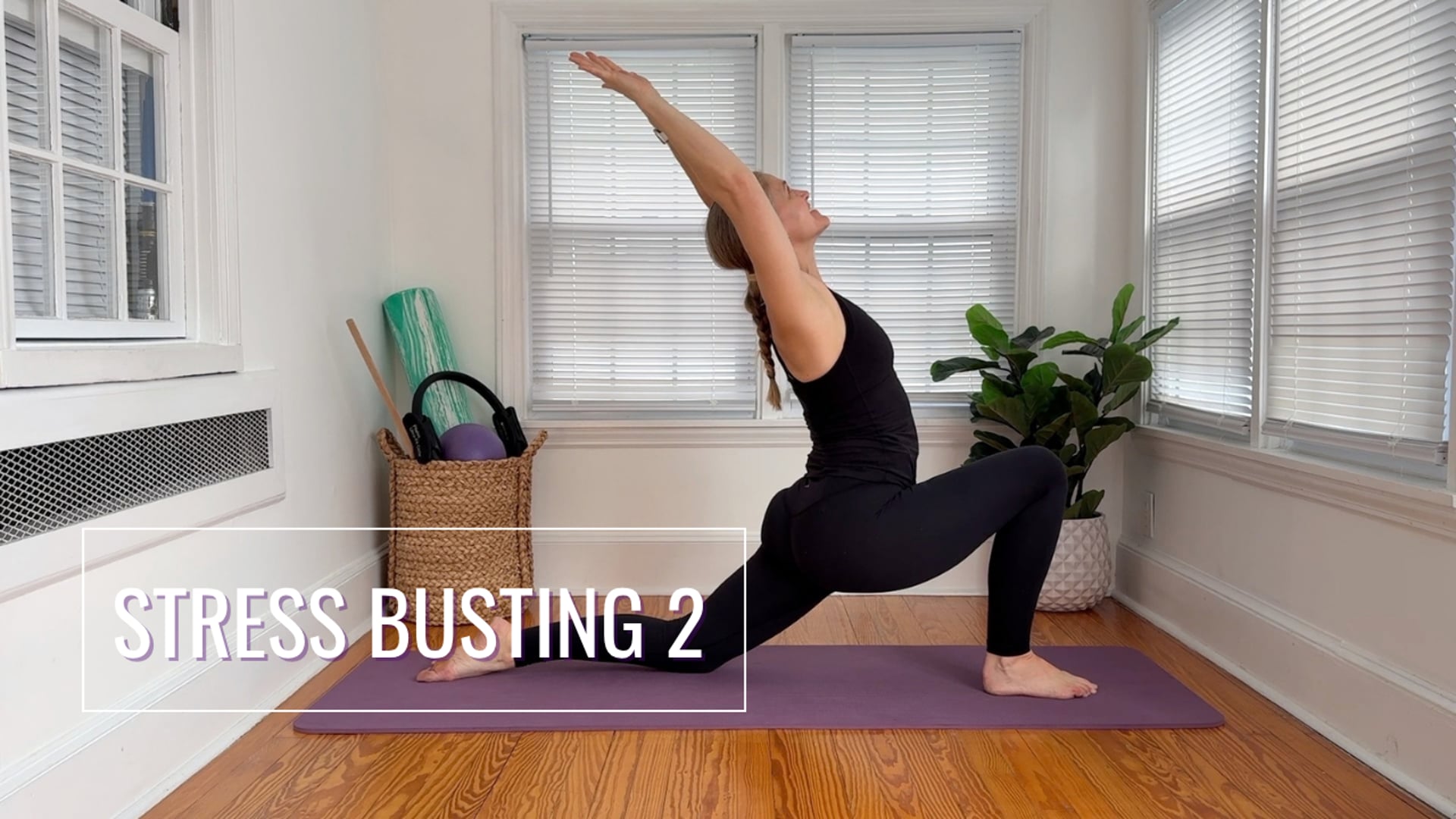
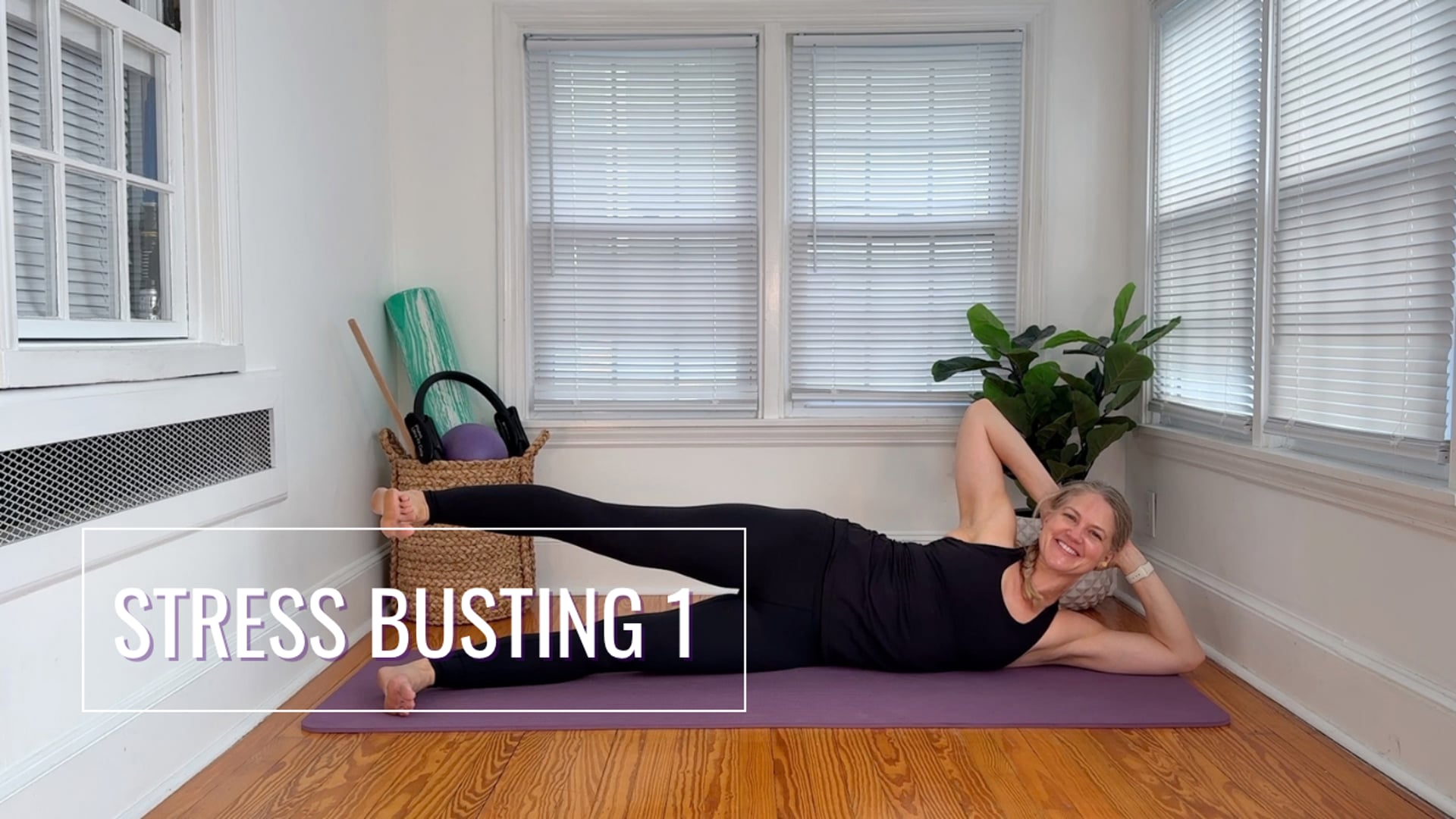
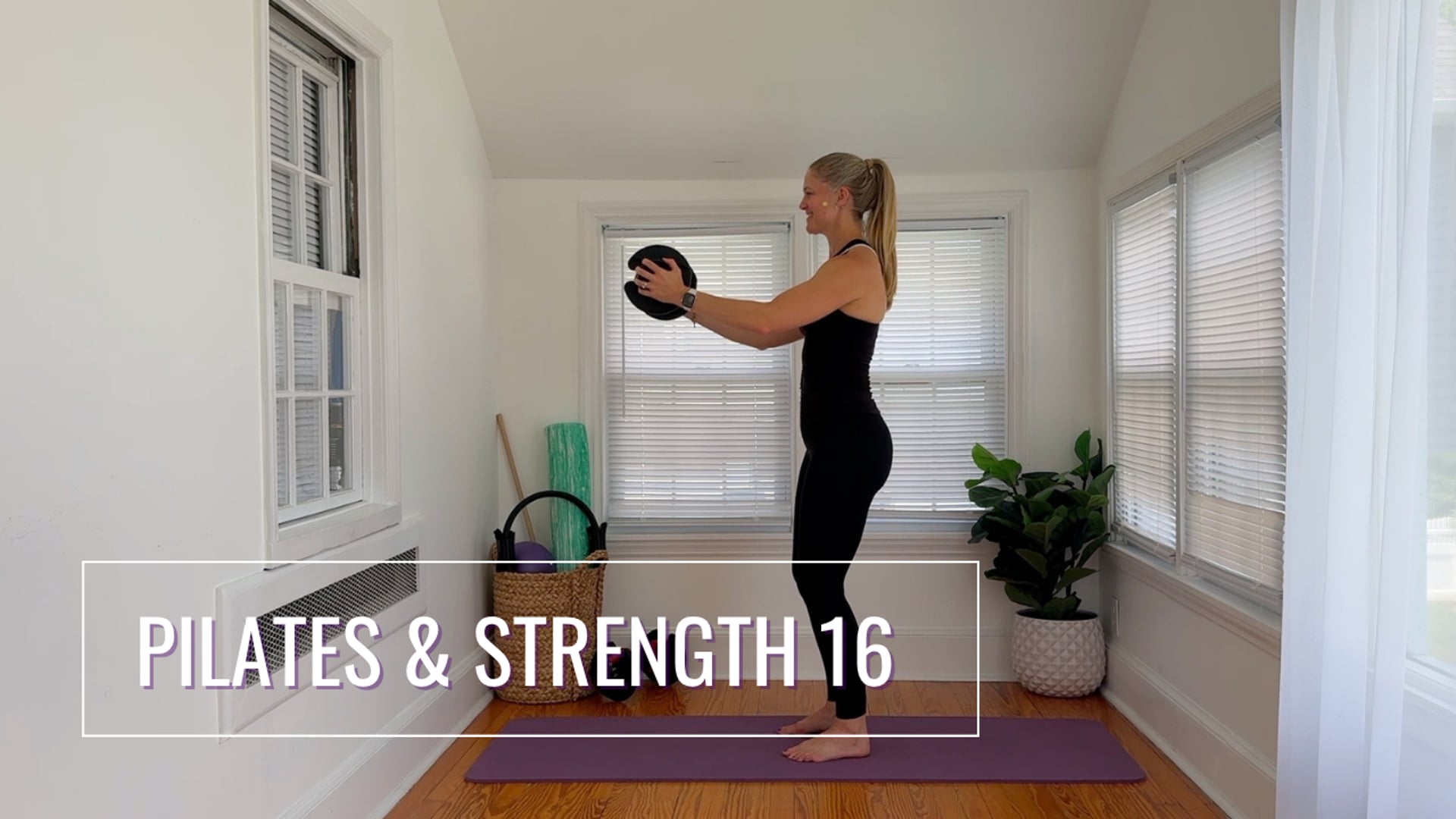
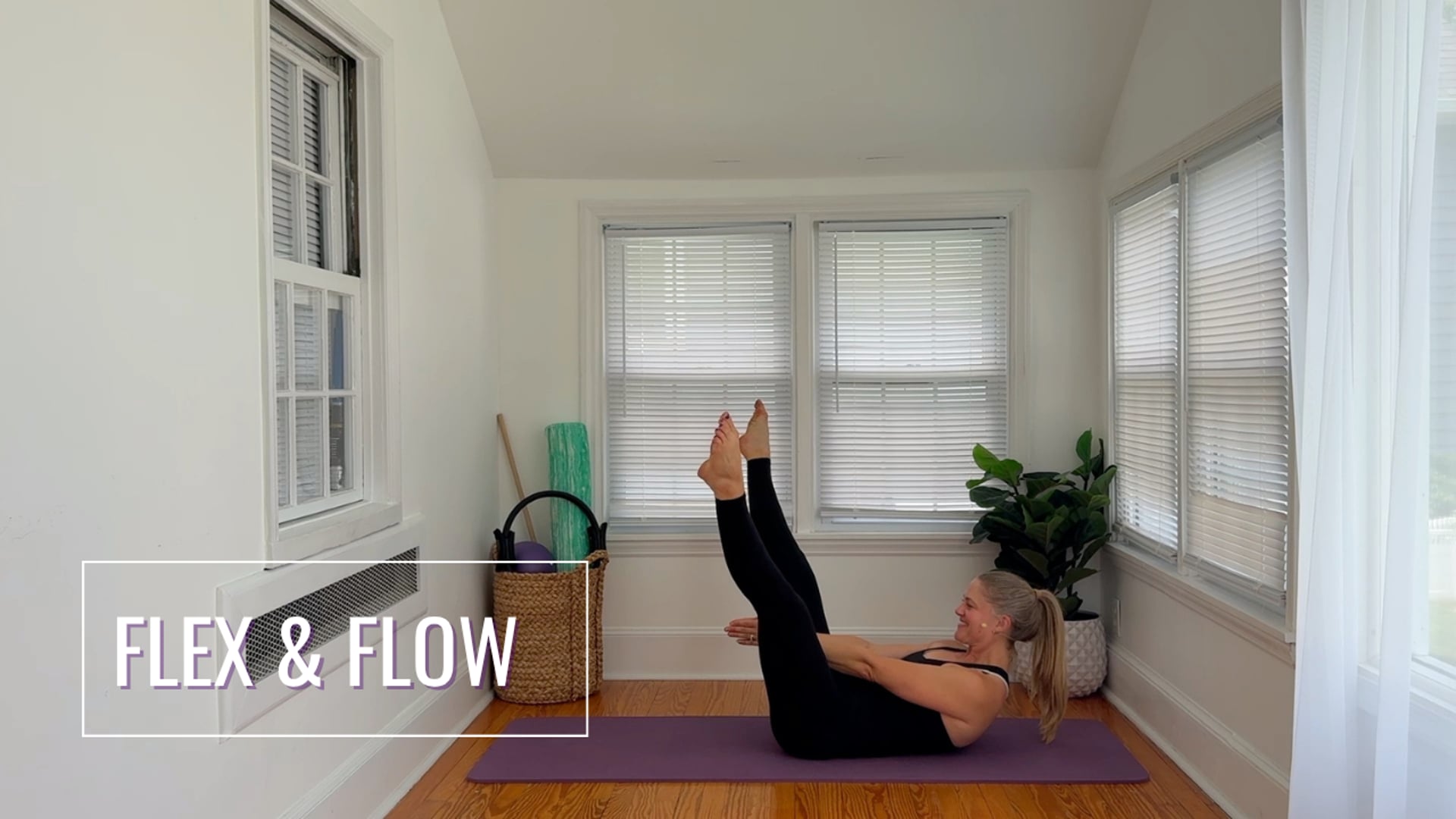
Maybe it’s Pilates instead of running. Maybe it’s walking instead of a high-intensity workout. Maybe it’s ten minutes of movement instead of an hour.
The goal is to keep moving forward, even if the path looks different than you planned.
Adjust the Goal, Not the Commitment
Sometimes our goals need to shift temporarily.
If you’re recovering from an injury, your goal might be to maintain strength rather than setting a personal best. If you’re navigating a stressful season of life, consistency may be more important than intensity.
Changing the goal isn’t quitting. It’s meeting yourself where you are.
Play the Long Game
The people who stay active for decades aren’t the ones who never face setbacks. They’re the ones who learn how to adapt when setbacks occur.
They modify.
They adjust.
They keep showing up.
Because movement doesn’t have to be perfect to be effective.
Personally, this season has required a lot more focus on strength and mobility than I’d prefer. I know my hip pain isn’t going to magically disappear on its own, and I also know I’m not ready to give up one of my favorite activities: running.
These days, a thorough warm-up before my runs and a thoughtful cool-down afterward help me run with less pain. My runs may be shorter and slower than I’d like, but at least I’m still running.
I’ve also had to be more intentional about my time in the gym and the Pilates studio. Every workout needs to consider both what aggravates my hip and what will help me build the strength and stability necessary to keep running for years to come.
If I’m being honest, this isn’t the most exciting work. It’s not the training I had planned. But I know it’s temporary, and I know I’m playing the long game. I’d rather take a step back now so I can continue doing what I love for many years to come.
Need Help Finding the Right Modifications?
Whether you’re working around pain, recovering from an injury, navigating a new stage in your life, or simply unsure how to adjust your workouts, Pilates can help you maintain strength and mobility while honoring what your body needs right now.
If you’d like guidance on modifying your movement practice—or you’re new to Pilates and looking for a place to start—I’d love to help. Schedule a consultation and together we’ll create a plan that keeps you moving toward the life you want.