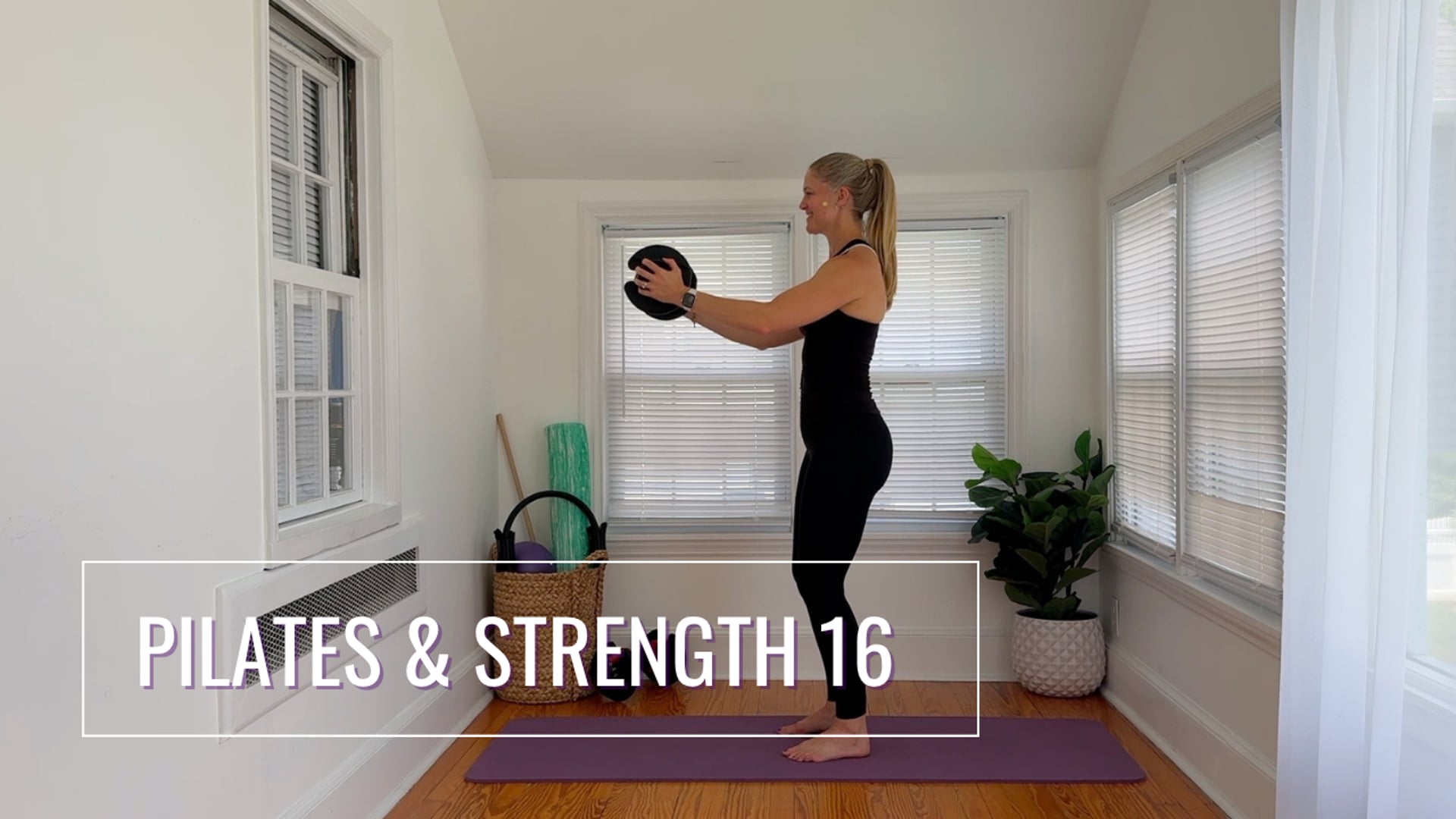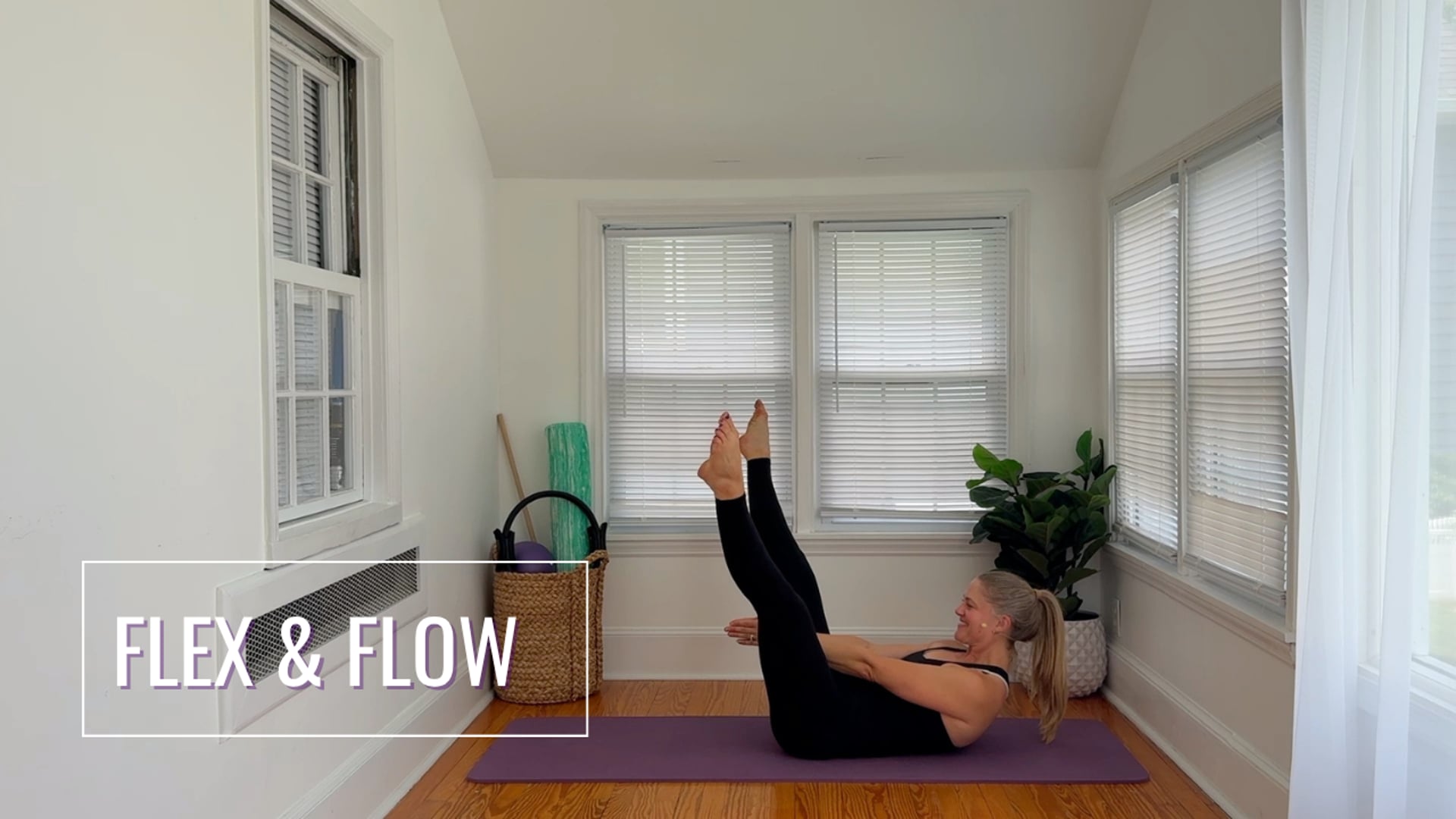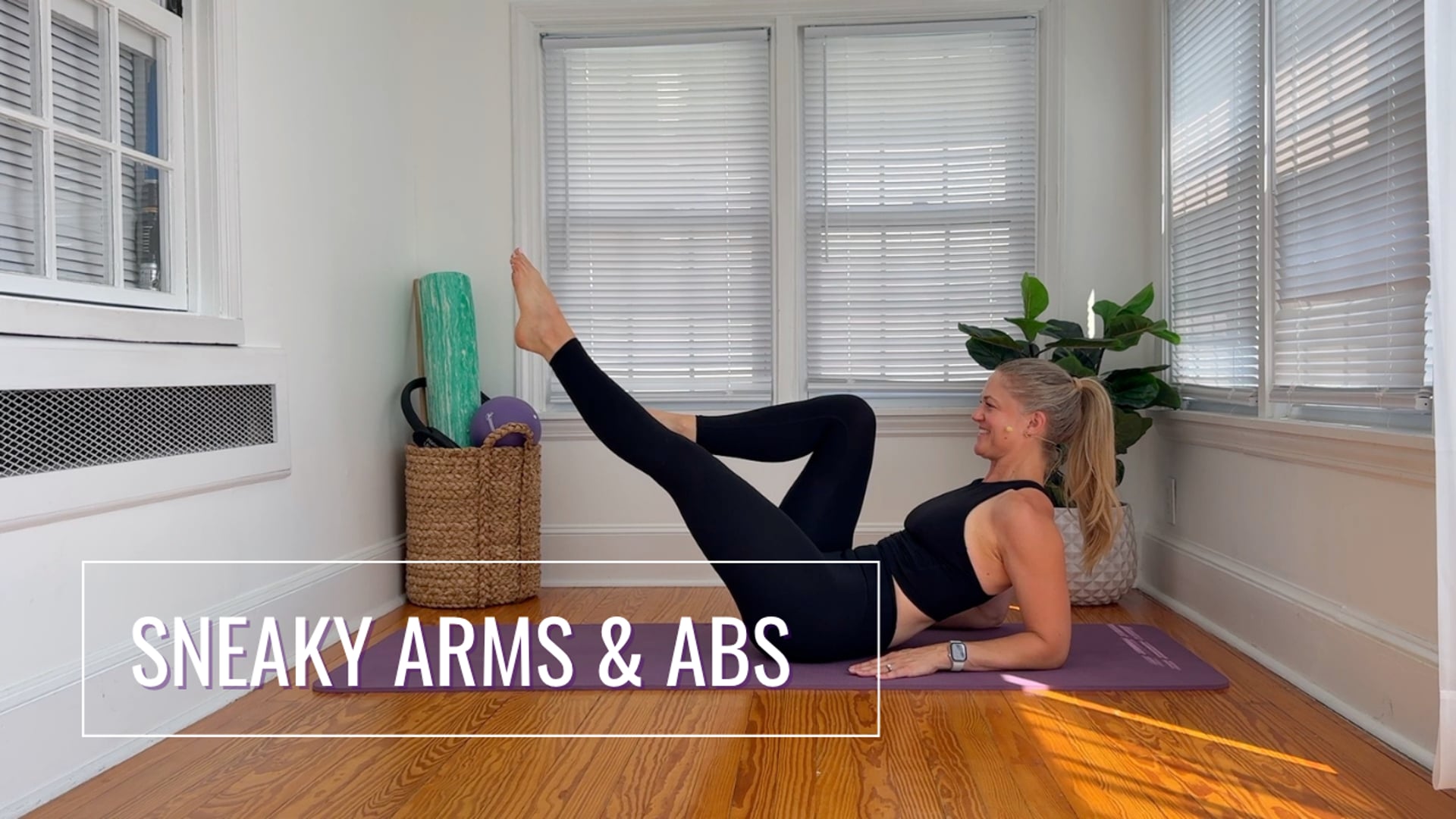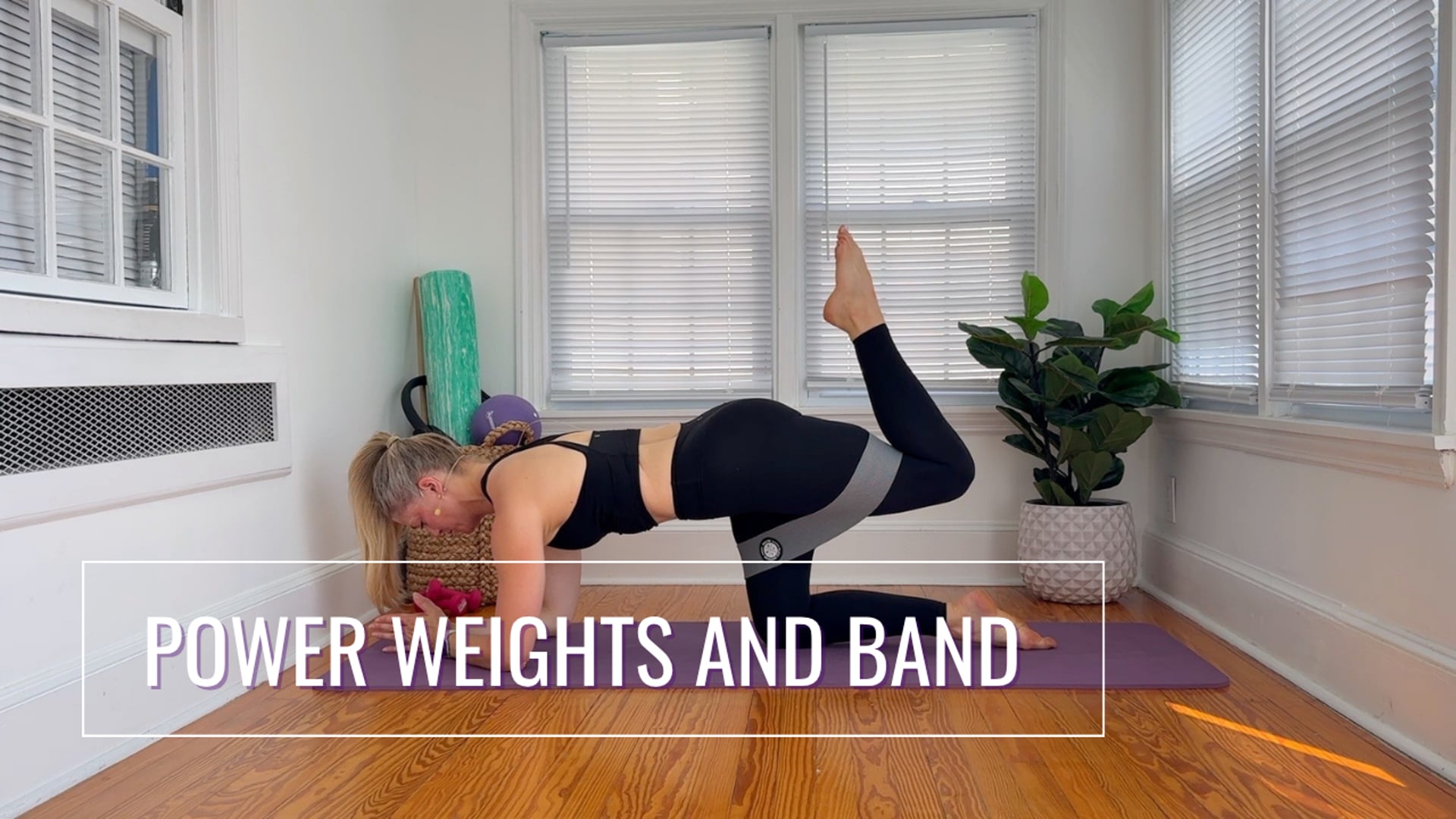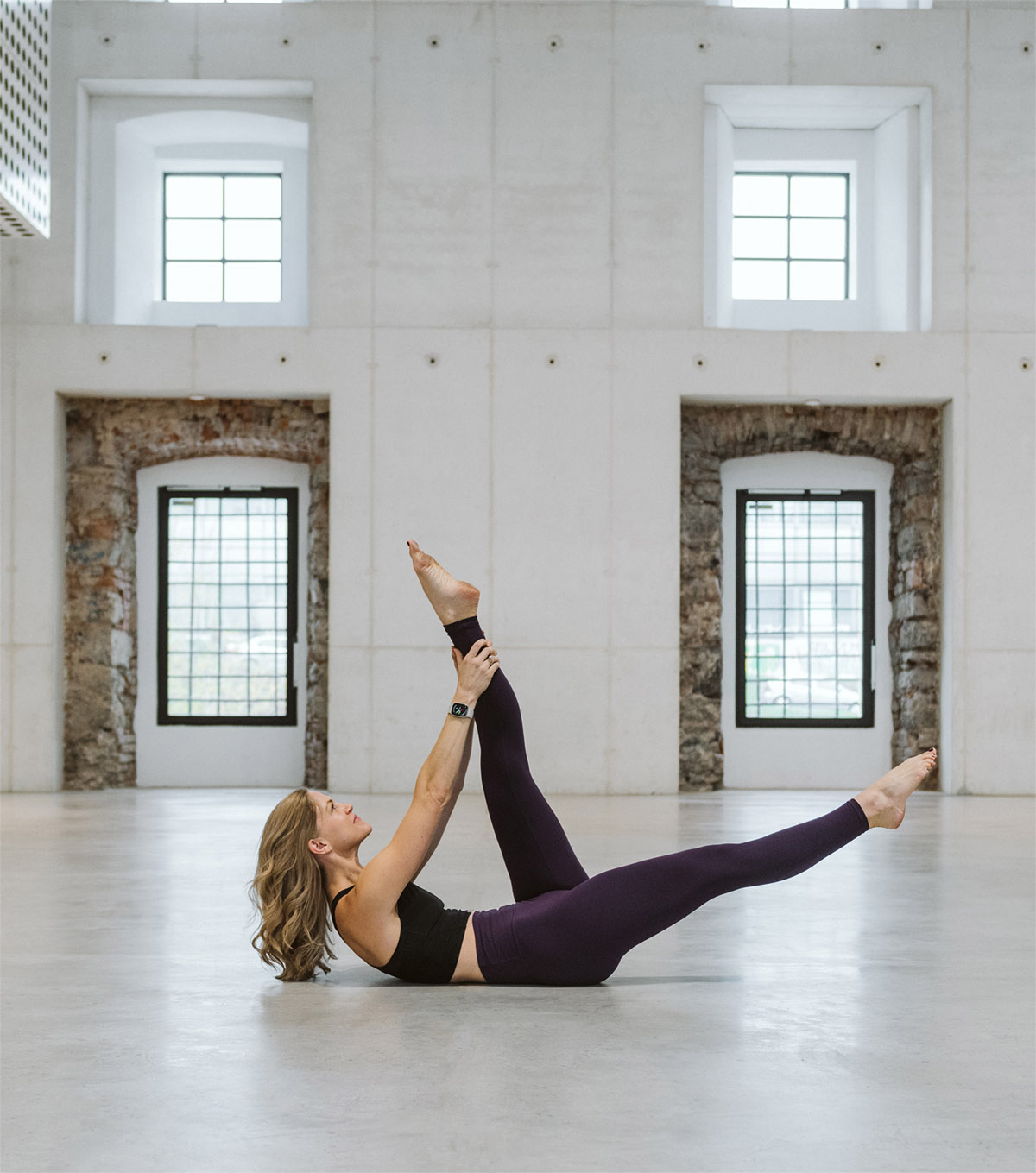

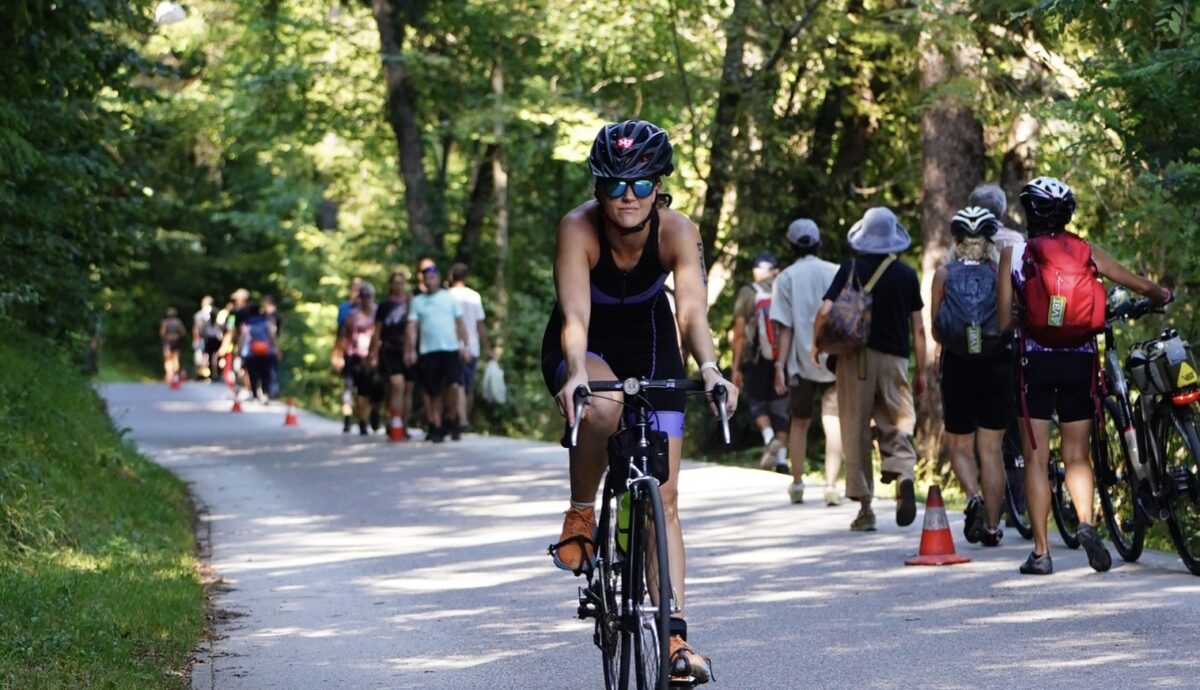
I love to run. I cycle whenever I can. Hiking is one of my favorite ways to spend a day. And if I’m being honest, I wish I had more time to really work on becoming a better tennis player.
I love the feeling of training for something — building endurance, getting stronger, pushing my pace. But I also know what it feels like when your hips get tight, your shoulders feel overworked, or your stride starts to feel a little less smooth than it used to.
As much as I love logging miles or climbing hills, I’ve learned this the hard way: doing more of your sport isn’t always the answer. Sometimes the smartest thing you can do for your performance is step off the road, off the bike, off the court — and train your body differently.
That’s where Pilates comes in.
Why Weekend Warriors Need Cross-Training
Cyclists cycle. Runners run. Golfers swing. Tennis players rotate. Hikers climb.
And when we repeat the same movement patterns over and over again, two things happen:
1. We get really good at certain motions.
2. We get really tight, overworked, and under-supported in others.
Pilates fills in the gaps.
It builds strength in the stabilizing muscles that don’t get enough love during your primary sport. It improves joint alignment. It enhances breath control. And it teaches your body how to move efficiently — not just powerfully.
Because here’s the thing: performance isn’t just about effort. It’s about efficiency.
Balance: The Foundation of Power
Balanceisn’tt just about standing on one leg (though we do plenty of that).It’s
It’s about muscular balance — front to back, left to right — and neurological balance between stability and mobility.
Cyclists and runners tend to live in the sagittal plane (forward movement). Golfers and tennis players live in rotation. Hikers spend hours loading one leg at a time over uneven terrain.
Pilates trains you in all planes of motion. It strengthens deep stabilizers around the hips and shoulders, so your larger muscles can produce force without compensating. When your body is balanced, your movement becomes smoother, faster, and far less taxing.
And whenyou’ree less taxed? You recover faster. You play better. You last longer.
Rotation: Controlled, Not Chaotic
Rotation is where magic — and injury — happens.
Think about a golf swing or a tennis serve. Think about how your torso counter-rotates when you run. Even cycling requires subtle rotational control through the spine and pelvis.
Pilates trains rotation from the inside out. Instead of yanking through your lower back or shoulders, you learn to initiate from your deep core — your obliques, transverse abdominis, pelvic floor, and spinal stabilizers.
The result: More controlled power. Less strain on vulnerable joints. A stronger, more coordinated kinetic chain. That’s how you add speed without adding wear and tear.
Efficient Movement = Better Performance
One of the most underrated benefits of Pilates is movement efficiency.
When your ribs stack over your pelvis, when your hips extend fully, when your scapulae glide instead of wing — everything costs less energy.
You stop wasting power.
And when you stop wasting power, you can:
- Run longer without breaking down
- Climb stronger without hip pain
- Serve harder without shoulder irritation
- Finish 18 holes without your back barking at you
Efficiency is the difference between feeling “wrecked” after your workout and feeling strong.
Injury Prevention: The Long Game
Weekend warriors tend to push hard in concentrated doses.That’ss not a bad thing — but it does mean your body needs resilience.
Pilates builds durability in smaller stabilizing muscles that are often neglected in traditional training. It improves proprioception (your awareness of your body’s position in space). It strengthens through full ranges of motion instead of partial ones.
Injury often happens when strength and control don’t match the demands of your sport. Pilates quietly closes that gap.
It’s not flashy. It’s not loud. But it is incredibly effective.
Specifically for Runners
If you run, you already know it’s repetitive. Thousands of steps. Same pattern. Over and over.
Pilates helps runners by strengthening the deep core and glutes that stabilize the pelvis with every stride. When your pelvis is stable, your legs can swing freely and efficiently — which improves cadence, reduces braking forces, and decreases stress on the knees and IT band.
And let’s not forget hip extension. Many runners are tight in the hip flexors and over-reliant on their quads. Pilates restores balance so you can actually use your glutes to propel you forward instead of muscling through every mile.
It also improves thoracic mobility and ribcage positioning, which directly affects breathing mechanics. Better rib mobility = better breath capacity = better endurance.
Stronger stride. Better posture. Fewer nagging aches.
That’s a win.
Specifically for Tennis Players
Tennis is explosive, rotational, and unilateral. You lunge, pivot, rotate, decelerate — often all within seconds.
Pilates strengthens the obliques and deep spinal stabilizers that control rotation. It improves shoulder blade stability, which is critical for serving and overhead shots without irritating the rotator cuff.
And because so much of tennis is played on one leg Pilates’ emphasis on single-leg strength and balance is a game-changer. When your hips are stable and your core is firing, you can change direction faster and recover quicker between shots.
More control. More power transfer. Less strain.
Which means you can focus on strategy — not your sore back or cranky shoulder.
The Bottom Line
If you love your sport, Pilates doesn’t replace it, it supports it.
It makes you more resilient, more efficient, and more powerful — without adding unnecessary mileage or pounding.
Think of it as the quiet work that lets you keep doing the loud, sweaty, exhilarating stuff you love.
And you’re’re someone who only has so much time each week? Pilates might be the smartest hour you add to your routine.
Ready to Support Your Sport?
If you want to feel stronger, more balanced, and more resilient in the activities you love, Pilates is the smartest cross-training you can add.
You can start with a free trial of my monthly online membership (add link) and explore classes designed to improve balance, rotation, and efficient movement — all in a way that fits your real life.
Looking for something more personalized? I offer private Pilates sessions tailored to your body and your sport, available in the Philadelphia area and virtually.
Not sure which option is right for you? Schedule a consultation call, I’d love to help you build a plan that keeps you strong and doing what you love.